
Kentucky students deserve to have vibrant learning experiences in their schools. When students have vibrant experiences in their classrooms, they have relevant, authentic and joyful opportunities for learning that truly matters to them.
Throughout the first year of my tenure as commissioner of education in Kentucky, one of the top priorities for the Kentucky Department of Education (KDE) has been developing a new assessment and accountability framework that prioritizes vibrant learning experiences, with room for innovation and collaboration with the community.
We’ve had the opportunity to hold countless conversations about our emerging assessment and accountability framework, including a presentation with lawmakers in June that included the voices of some of our superintendents who have been piloting the work we hope to expand upon. Brian Creasman of Fleming County and Jesse Bacon of Bullitt County shared how they developed a series of priorities – the Bullitt County Public Schools Graduate Profile and the Fleming County Portrait of a Graduate – following conversations with a variety of stakeholders in their community: parents, students, educators and business leaders, among many others.
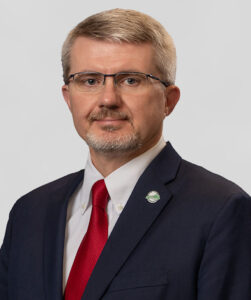
Kentucky Commissioner of Education Robbie Fletcher
These districts are already incorporating innovation and collaboration – including work-based learning opportunities with businesses and community groups – to help students learn more about their communities, the world around them and what opportunities they may have once they graduate through immersive and vibrant learning experiences.
The work these districts have done in their systems to integrate the community’s priorities into how students are assessed has been remarkable and truly helps put into focus what students should prioritize. This is work that is already occurring in several other districts across the Commonwealth, and something we hope to emulate statewide.
KDE and the Kentucky United We Learn Council have been working on a new assessment and accountability framework for years, work that has culminated in the Model Framework. This framework represents the voices of thousands of Kentuckians and their hopes for assessment and accountability systems that are relevant to the needs of their students and their communities.
The framework includes a list of indicators that measure school performance, some of which are statewide and some of which are localized so schools and districts have flexibility with their own systems.
Local indicators can include interim assessments in reading and math, off-grade science testing and locally determined measures. Additionally, there are required components, such as vibrant learning experiences, writing and social studies; however, districts can choose how to implement them based on the district’s local context and needs.
The state accountability indicators, which meet federal requirements, include summative performance in reading and math, individual student growth, transition readiness, graduation rate, English language progress, and the climate and safety survey. Federal requirements include a statewide science assessment be administered and reported; however, science is not included in the calculation for comprehensive support and improvement (CSI).
And if you’re passionate about this type of work, the Kentucky United We Learn Council is seeking new members, so please fill out the Kentucky United We Learn Council application if you’re interested. Applications will be accepted through Sept. 26.
It takes time to engage with our communities. We held several town halls across the Commonwealth earlier this year and continue to hold discussions with various stakeholders, advisory groups and community members as we refine this framework, and this input is crucial as we continue our advocacy efforts.
If we look at our education system years from now and nothing has changed for our students, we have failed. It’s important we develop a system that prioritizes vibrant and meaningful learning experiences so our students have the tools they need to succeed once they graduate.
Leave A Comment